
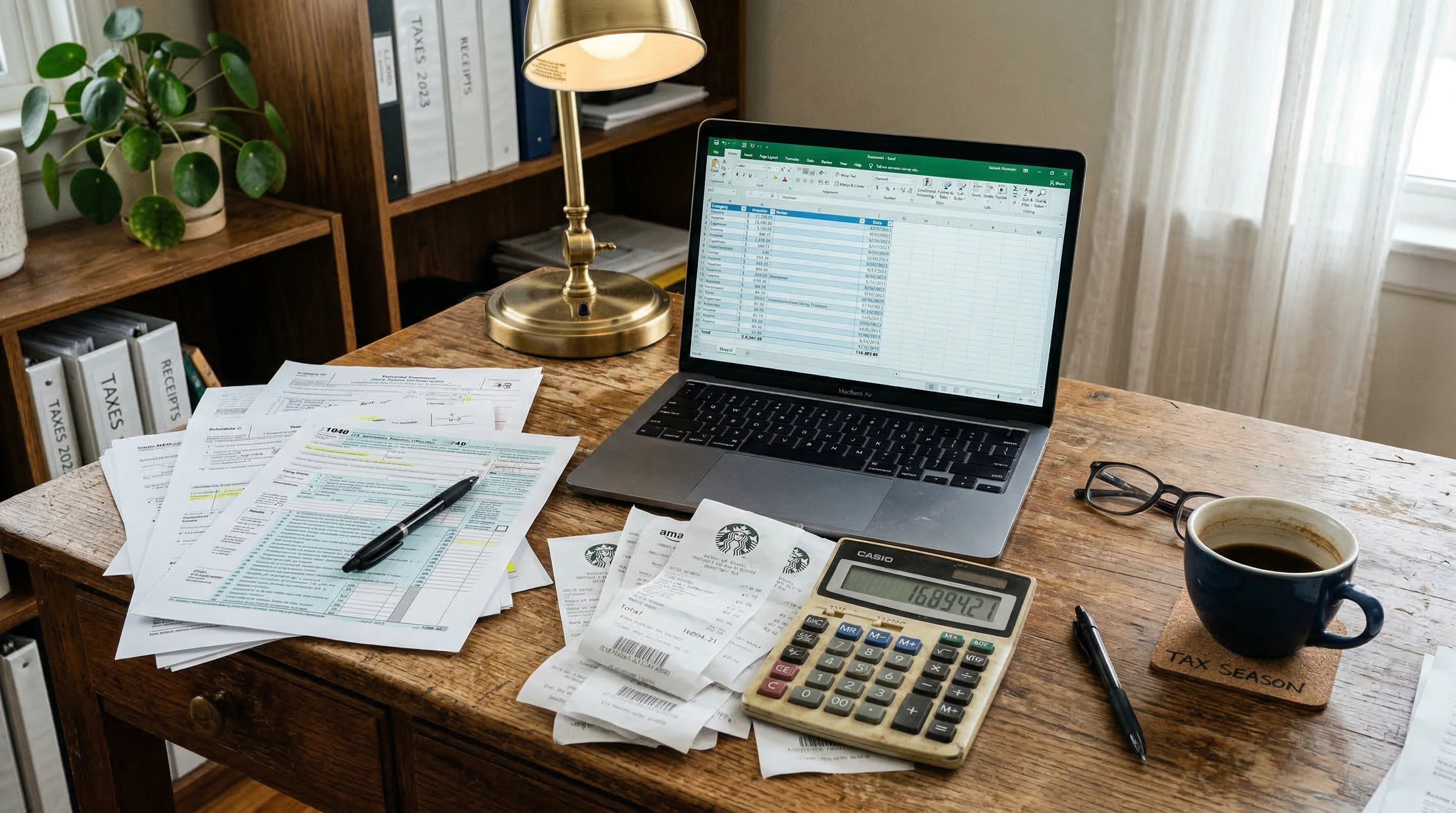
Small business owners manage many responsibilities throughout the year, and financial recordkeeping is one of the most important. When bookkeeping is delayed until tax season, it can lead to missing information, inaccurate reporting, and unnecessary stress.
Maintaining organized records throughout the year helps businesses track financial activity, prepare accurate reports, and make tax preparation much easier.
The Internal Revenue Service (IRS) recommends that businesses keep clear records of income, expenses, and financial transactions. Good recordkeeping supports the information reported on tax returns and helps businesses monitor their financial performance.
Key Documents Small Businesses Should Keep
The IRS advises businesses to maintain several types of records that document financial activity throughout the year.
Common records include:
• Income Records
Sales receipts, invoices, deposit records, and Forms 1099 documenting money received by the business.
• Expense Records
Receipts, canceled checks, credit card statements, and bank statements showing business purchases.
• Payroll and Contractor Records
Payroll reports, employee Forms W-2, contractor Forms 1099-NEC, and payroll tax filings.
• Bank and Credit Card Statements
Statements from all accounts used for business activity.
• Inventory Records
Records showing goods purchased, sold, or held in inventory, including year-end totals when applicable.
• Previous Tax Returns
Prior tax returns that may be needed for reference or to answer IRS questions.
Additional guidance on recordkeeping can be found in IRS Publication 583, Starting a Business and Keeping Records.
Recordkeeping Habits Throughout the Year
Maintaining consistent bookkeeping habits helps businesses keep financial records accurate and up to date.
Examples of good recordkeeping practices include:
• Record Income and Expenses Regularly
Transactions should be recorded as they occur to prevent missing information.
• Save Supporting Documents
Receipts, invoices, and financial records should be stored with the corresponding transactions.
• Categorize Transactions Correctly
Proper expense categories help maintain accurate financial reports and support tax deductions.
• Review Payroll Records
Payroll reports and tax deposits should be reviewed regularly to ensure accuracy.
• Reconcile Bank and Credit Card Accounts
Monthly reconciliation helps identify errors, missing transactions, or duplicate entries.
• Maintain Organized Digital Records
Accounting software or secure cloud storage can help store and protect financial documents.
Estimated Tax Payments
Many small businesses must make quarterly estimated tax payments throughout the year.
Estimated payments are generally due in:
• April
• June
• September
• January
Making estimated payments on time can help businesses avoid penalties and large tax balances at the end of the year.
More information is available through the IRS Small Business and Self-Employed Tax Center and the IRS page for Estimated Taxes.
Common Business Tax Deductions
The IRS allows businesses to deduct ordinary and necessary expenses required to operate the business.
Examples of deductible expenses may include:
• Home Office Expenses
Businesses operating from home may qualify for a home office deduction when the space is used regularly and exclusively for business. See the IRS page for the Home Office Deduction.
• Vehicle Expenses
Mileage, fuel, maintenance, and other costs related to business use of a vehicle. The IRS provides updated mileage information on Standard Mileage Rates.
• Office Supplies and Equipment
Items such as computers, printers, software, and office supplies used in business operations.
• Professional Services
Fees paid to accountants, bookkeepers, attorneys, and other professional advisors.
• Marketing and Advertising
Website development, advertising campaigns, printed materials, and promotional expenses.
• Business Travel
Transportation, lodging, and certain meals related to business travel.
Detailed information about business deductions is available in IRS Publication 535, Business Expenses.
End-of-Year Preparation Checklist
Preparing financial records before tax season helps ensure that tax filings are accurate and complete.
Before filing taxes, businesses should review the following:
• Confirm All Income Is Recorded
All deposits and payments received during the year should be documented.
• Review Expense Records
Verify that all deductible business expenses have been recorded.
• Generate Financial Reports
Prepare profit and loss statements, balance sheets, and other financial reports.
• Reconcile Accounts
Confirm that bookkeeping records match bank and credit card statements.
• Prepare Required Forms
File Forms W-2 for employees and Forms 1099 for contractors by required deadlines.
• Review Asset Purchases
Identify equipment or property purchases that may qualify for depreciation deductions.
For additional filing deadlines and reminders, see the IRS Small Business Tax Calendar.
Common Recordkeeping Mistakes to Avoid
Poor recordkeeping can create problems during tax preparation. Small businesses should avoid the following issues:
• Delaying Bookkeeping Tasks
Waiting until tax season increases the likelihood of errors or missing transactions.
• Mixing Personal and Business Expenses
Using separate accounts for business activity helps maintain clear records.
• Failing to Back Up Financial Records
Digital records should be backed up regularly to prevent data loss.
• Missing Estimated Tax Payments
Businesses required to make quarterly payments may face penalties if deadlines are missed.
• Not Seeking Professional Guidance When Needed
If tax requirements become complex, consulting a qualified professional can help ensure compliance.
Maintaining organized financial records throughout the year helps businesses stay prepared for tax filing and better understand their financial position.